
Yes, you can usually sell a house with unpermitted work, but it can make the selling process more complicated.
Unpermitted work can include additions, remodeled rooms, electrical work, plumbing, finished basements, converted garages, decks, or other improvements completed without the required building permits.
If you are selling a house with unpermitted work, you may have questions about whether you need to fix the work, get permits after the fact, disclose it to buyers, or sell the property as-is.
The good news is that unpermitted work does not automatically mean you cannot sell the property. Your options will depend on the type of work, local regulations, the property’s condition, and what you and the buyer are willing to do.
What Is Unpermitted Work on a House?
Unpermitted work is construction, remodeling, alteration, or other improvements completed without obtaining the permits required by the local building authority.
For example, a homeowner may have:
- Added a bedroom or bathroom
- Finished a basement
- Converted a garage into living space
- Added a room or enclosed a porch
- Installed new electrical wiring
- Changed plumbing
- Built a deck or other structure
- Removed or moved walls
- Added an addition to the home
Permit requirements vary by location and by the type of work performed. The International Code Council recommends checking with the local building department before beginning home improvement projects because requirements can differ between jurisdictions.
If you are unsure whether previous work was permitted, your local building department may be able to help you determine whether permits were issued.
Can You Sell a House With Unpermitted Work?
In many cases, selling a house with unpermitted work is possible.
There is generally no universal rule that prevents a homeowner from selling a property simply because some work was completed without permits. However, the unpermitted work can affect the transaction.
Depending on the situation, a buyer may:
- Ask you to obtain permits
- Request repairs
- Negotiate a lower price
- Ask for additional inspections
- Require documentation about the work
- Decide not to purchase the property
State and local disclosure requirements also vary. If you know about unpermitted work, it is important to understand what you are required to disclose before putting the house on the market.
The key is to find out what happened with the property before deciding how to sell it.
Does Unpermitted Work Have to Be Fixed Before Selling?
Not necessarily.
You do not always have to repair or legalize unpermitted work before selling a property. However, whether you should do so depends on the circumstances.
For example, if the work is minor and easy to bring into compliance, getting the necessary permits may make sense.
On the other hand, if the work involves major renovations, structural changes, electrical systems, plumbing, or other expensive improvements, the cost of correcting the issue may be significant.
Before spending money on repairs, find out what your local building department requires and compare the potential cost with the expected benefit.
What Happens If a House Has Code Violations?
Unpermitted work and house code violations are related, but they are not always the same thing.
A project may be unpermitted because the required permit was never obtained. A property may also have a code violation because the work does not meet applicable building or safety requirements.
Depending on the violation, the local authority could require the homeowner to:
- Obtain a permit
- Submit plans
- Have the work inspected
- Correct defective work
- Remove work that cannot be approved
- Bring the property into compliance
Not every unpermitted project results in the same outcome. The local building authority will determine what is required based on the property and applicable regulations.
How Can Unpermitted Work Affect a Home Sale?
Unpermitted work can create several issues during a real estate transaction.
It Can Reduce the Number of Buyers
Some buyers may not want to deal with the uncertainty associated with unpermitted work.
A buyer using traditional financing may also have additional concerns about the property’s condition, value, or documentation.
It Can Affect the Home’s Value
Unpermitted improvements may not always receive the same value as permitted improvements.
For example, if a homeowner adds a bedroom without the required permits, a buyer may not consider that space to be a legal bedroom when evaluating the property.
This can affect how buyers view the home’s value.
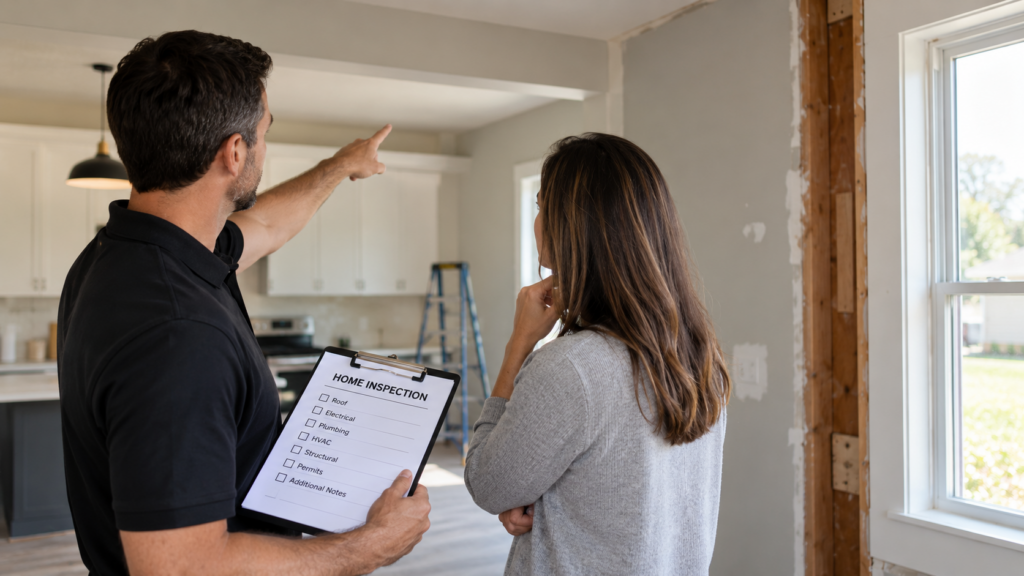
It Can Create Problems During an Inspection
A home inspection may reveal signs that work was completed without permits.
The buyer may then request additional information, inspections, repairs, or price adjustments.
It May Require Disclosure
Disclosure rules vary by state and local law, but known problems with a property may need to be disclosed.
If you know that work was completed without the required permits, do not assume the issue can simply be ignored.
When in doubt, speak with a qualified real estate attorney or local professional who understands the disclosure requirements in your area.
Should You Get Unpermitted Work Permitted Before Selling?
Sometimes, but not always.
One option is to contact the local building department and ask whether the work can be permitted after it has already been completed.
This may involve:
- Identifying the work that was completed
- Submitting plans or documentation
- Paying permit fees
- Having the property inspected
- Correcting problems identified during the inspection
The process varies significantly depending on the location and type of work.
Before applying for a retroactive permit, find out exactly what the process involves and what it could cost.
If the work is extensive, the cost of bringing everything into compliance may be much higher than expected.
Can You Sell a House With Unpermitted Work As-Is?
Yes, in many situations you can sell a property with unpermitted work as-is.
Selling as-is means the buyer agrees to purchase the property in its current condition rather than expecting the seller to make improvements before closing.
However, selling as-is does not necessarily remove disclosure obligations or make known problems disappear.
A buyer may still inspect the property, ask questions about the work, or negotiate based on the condition.
If you are considering selling the property without spending money on permits or repairs, you can learn more about the general as-is selling process in TurnPro’s guide.
How to Sell a House With Unpermitted Work
If you are trying to sell a home with unpermitted improvements, start by understanding exactly what you are dealing with.
1. Find Out What Work Was Done
Make a list of additions, renovations, repairs, and improvements completed by you or previous owners.
Look for old invoices, contractor records, plans, receipts, or other documentation that may help establish when and how the work was completed.
2. Check With Your Local Building Department
Contact the appropriate building department and ask whether permits were issued for the work.
You may be able to search permit records online or request them directly from the local authority.
This can help you determine whether the work is actually unpermitted or whether records simply were not included with the property’s current paperwork.
3. Determine Whether Retroactive Permits Are Possible
If permits were never obtained, ask whether your local jurisdiction allows permits to be obtained after the work has already been completed.
Do not assume that every unpermitted improvement can simply be legalized.
The process may depend on the type of work, current building codes, inspections, and local regulations.
4. Decide Whether to Repair, Permit, or Sell As-Is
Once you understand the situation, compare your options.
You may decide to:
- Fix the work
- Obtain the required permits
- Correct code violations
- Sell the house as-is
- Sell directly to a cash buyer
The right choice depends on the cost, timeline, property condition, and your selling goals.
5. Be Honest About the Property’s Condition
If you know about unpermitted work, do not hide it from potential buyers.
Being upfront can help prevent bigger problems later in the transaction.
It can also help you find buyers who are comfortable taking on a property that needs additional work or documentation.
Is It Better to Fix Unpermitted Work or Sell the House As-Is?
There is no single answer for every property.
Fixing the issue may make sense when the work is relatively inexpensive and obtaining the necessary permits is straightforward.
Selling as-is may make more sense when the property has extensive renovations, multiple building code violations, major repairs, or other problems that would require a large investment.
Consider these factors before deciding:
- Cost of repairs
- Cost of permits
- Potential inspection requirements
- Time needed to complete the work
- Current property value
- Local buyer demand
- Your preferred selling timeline
The goal is not necessarily to make the house perfect. The goal is to choose the option that makes the most financial sense for your situation.
Can a Cash Buyer Buy a House With Unpermitted Work?
Yes. Cash buyers may be willing to purchase properties with unpermitted work, code issues, deferred maintenance, or other problems.
Because a cash buyer may purchase the property in its current condition, you may not need to complete every repair before selling.
However, every buyer has different requirements. A cash buyer will still evaluate the property’s condition, location, potential repair costs, and overall value before making an offer.
If you are looking for a way to sell without completing expensive improvements first, getting an offer can help you compare the cost of repairing the property with the option of selling it as-is.
Frequently Asked Questions
Can you sell a house with unpermitted work?
Yes, in many situations you can sell a house with unpermitted work. However, local laws and disclosure requirements vary, and the work may affect the buyer’s financing, inspection, negotiations, and offer.
Can you sell a home with building code violations?
It may be possible, but the specific violation matters. Some issues may need to be corrected or disclosed before closing. Check with the local building authority to understand what applies to your property.
Can unpermitted work prevent a house from being sold?
Unpermitted work does not automatically prevent a sale, but it can make the transaction more complicated. Buyers may request repairs, permits, price reductions, or additional inspections.
Do sellers have to disclose unpermitted work?
Disclosure requirements vary by state and local law. If you know about unpermitted work, find out what you are legally required to disclose before selling the property.
Can you sell a house without fixing unpermitted work?
In many cases, yes. Some homeowners choose to sell the property in its current condition rather than spend money bringing the work up to current requirements.
What to Do If Your House Has Unpermitted Work
Selling a house with unpermitted work can feel complicated, but it does not necessarily mean you have to spend thousands of dollars fixing everything before you can sell.
Start by finding out what work was completed, whether permits were required, and what your local building department says about the property.
From there, compare the cost of repairs or permits with the option of selling the house as-is.
If the property needs significant work or you simply do not want to deal with the permitting process, selling directly to a cash buyer may be another option worth considering.
The most important thing is to understand the property’s condition, follow the applicable disclosure requirements, and choose the selling strategy that makes the most sense for you.